Introduction
Every aspiring medical student in India eagerly awaits the seat matrix for MBBS courses, as it directly influences admission chances and planning. The academic year 2026-27 brings updated seat allocations across various states, reflecting expansions and new college additions. This article breaks down the government and private medical college seats statewise, highlighting increases and total availability, excluding seats from Institutes of National Importance (INIs).
Understanding the Seat Matrix
The seat matrix essentially provides a snapshot of the number of MBBS seats available in each state, divided between government and private colleges. It includes the number of colleges, seats renewed from previous years, newly increased seats, and total seats for both sectors. This helps students gauge competition and choose states or colleges strategically.
Key Components of the Matrix
- Number of Colleges: Total government and private medical colleges in a state.
- Seats Renewed: Existing seats carried forward from previous years.
- Seats Increased: Additional seats added due to new colleges or expansions.
- Total Seats: Sum of renewed and increased seats.
Statewise Seat Distribution Highlights
Let's look at some notable states in terms of seat availability and growth.
1. Karnataka
Karnataka stands out with a robust number of both government (24 colleges) and private (51 colleges) institutions. The total seats are 15,395, with 1,300 new seats added recently. This makes Karnataka a hotspot for MBBS aspirants.
2. Maharashtra
Maharashtra follows closely with 6,000 government and 7,099 private seats, totaling 13,099 seats. The increase in seats is moderate but significant for such a populous state.
3. Uttar Pradesh
With the highest number of colleges (49 government, 39 private), Uttar Pradesh offers 14,000 seats in total, including 800 new seats added this year. The competition here is intense due to the large population and seat availability.
4. Tamil Nadu
Tamil Nadu has 37 government and 41 private colleges, totaling 13,999 seats. The state has recently increased seats by 950, reflecting expansion in medical education infrastructure.
5. Emerging States with New Seats
- Rajasthan: 8,080 seats with a 900 seat increase.
- Telangana: 10,250 seats with 810 new seats.
- West Bengal: 7,200 seats with 825 new seats.
Government vs Private Medical Colleges: A Comparison
Understanding the distribution between government and private colleges is crucial for students planning their applications. Here's a quick comparison:
| Aspect | Government Colleges | Private Colleges |
|---|---|---|
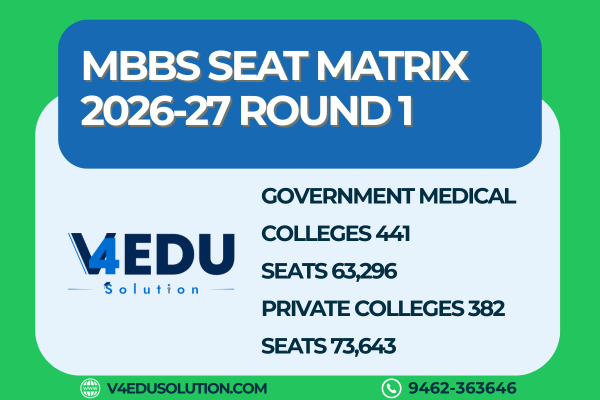
| Total Colleges | 441 | 382 |
| Seats Renewed | 61,185 | 65,843 |
| Seats Increased | 2,111 | 7,800 |
| Total Seats | 63,296 | 73,643 |
Tip: Private colleges have seen more seat increments recently, which could offer more opportunities but often at higher fees compared to government colleges.
Impact of New Medical Colleges
A noteworthy update is the addition of 25 newly established medical colleges contributing a total of 2,400 seats. This includes 400 seats from 7 government colleges and 2,000 seats from 18 private colleges. This expansion is part of a broader effort to improve healthcare education access and meet the rising demand for doctors nationwide.
Practical Tips for MBBS Aspirants
- Analyze State Preferences: Look beyond seat numbers; consider factors like reservation policies, state domicile rules, and competition levels.
- Choose Between Government and Private: Government seats are often more affordable but limited, while private colleges offer more seats but at a higher cost.
- Check Recent Seat Increases: Newly added seats might have less competition initially, offering better chances.
- Stay Updated: Seat matrix changes yearly; always refer to the latest official notifications before applying.
Conclusion
The AY 2026-27 MBBS seat matrix reflects India's ongoing commitment to expanding medical education. With 136,939 total seats across 823 colleges, including significant increments in both government and private sectors, students have a wider array of options than ever before. Understanding the statewise distribution and recent changes can empower candidates to make informed decisions and strategize their medical entrance preparations effectively.
Keep this seat matrix handy as you plan your application journey, and remember to factor in other admission criteria beyond seat availability for the best possible outcome.